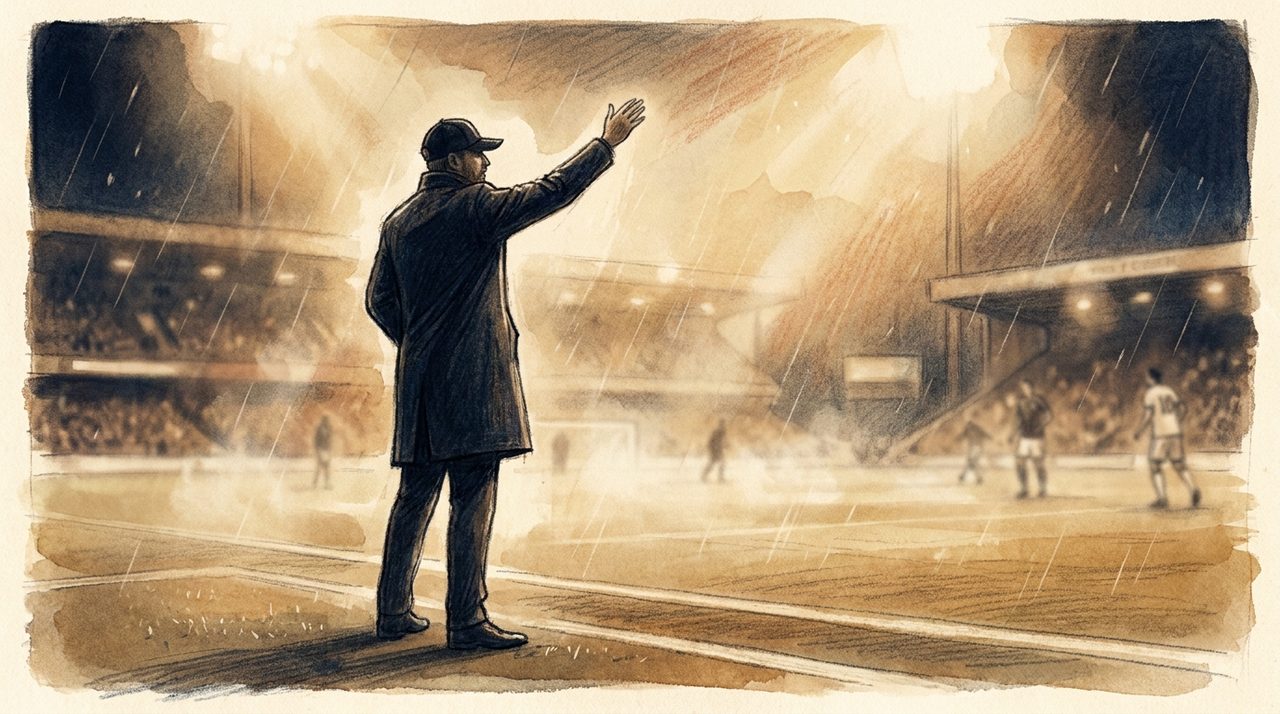
A winning football manager once ordered his own players to let the other team equalise, and then he resigned. It happened one Friday night in Konya, in March, twenty-fifteen. His side was ahead, away from home, and he told them to stop, stand still, and gift the goal straight back.
No manager on Earth is supposed to do that. Winning is the entire job. So why would a man throw away his lead, lose the match, and then walk out of the building for good?
To answer that, you have to rewind almost forty years, all the way to a shy kid in the Georgian capital, Tbilisi, who once turned up to the biggest training session of his life and forgot the one thing a footballer literally cannot play without. I'm FactCat, and he is Shota Arveladze.

Origins
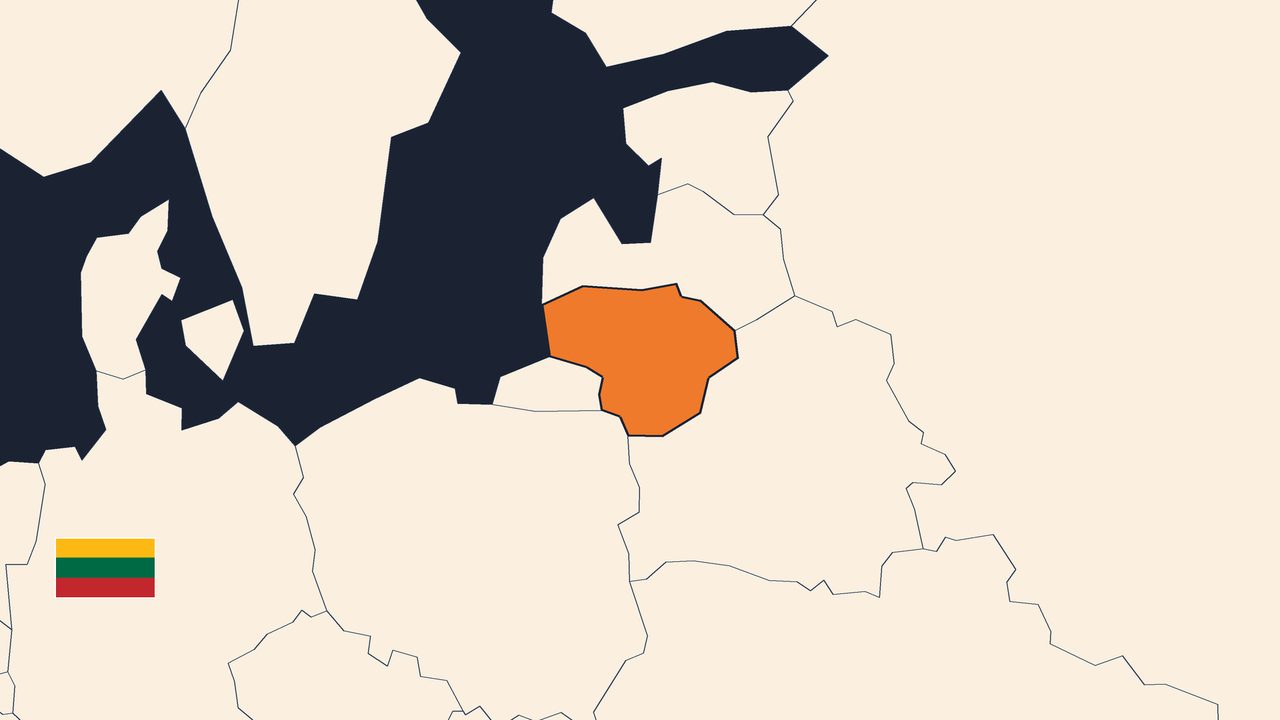
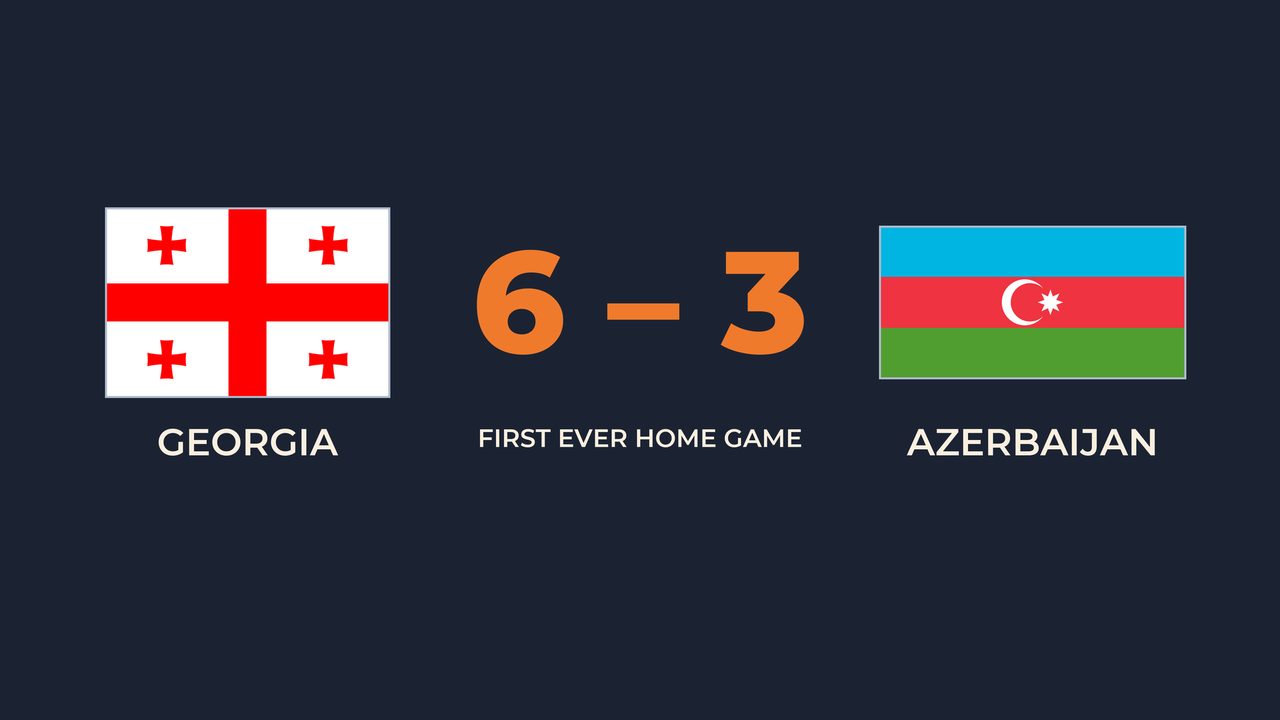
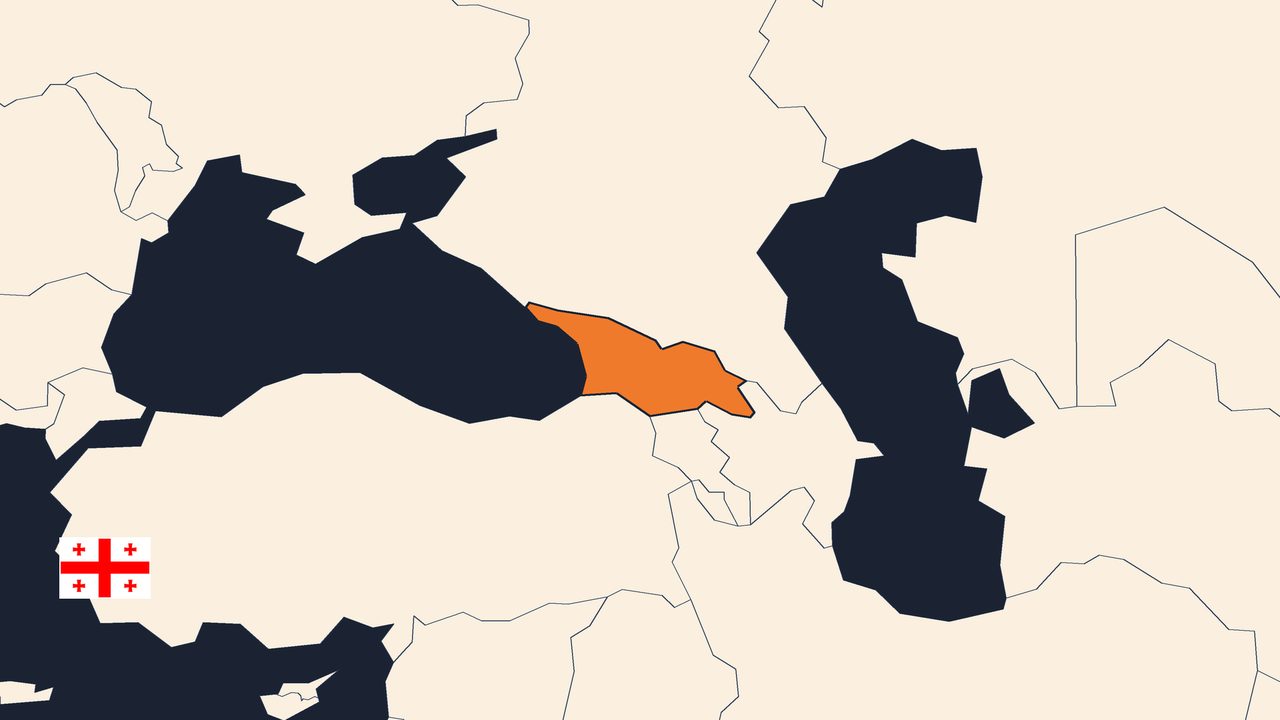
Shota Arveladze was on the pitch for the very first official match his country ever played. It was September, nineteen-ninety-two, a friendly away to Lithuania, and newly independent Georgia lost it one-nil. Fifteen days later, Georgia played their first ever home game, and Arveladze scored, a wild six-three win over their neighbours Azerbaijan.
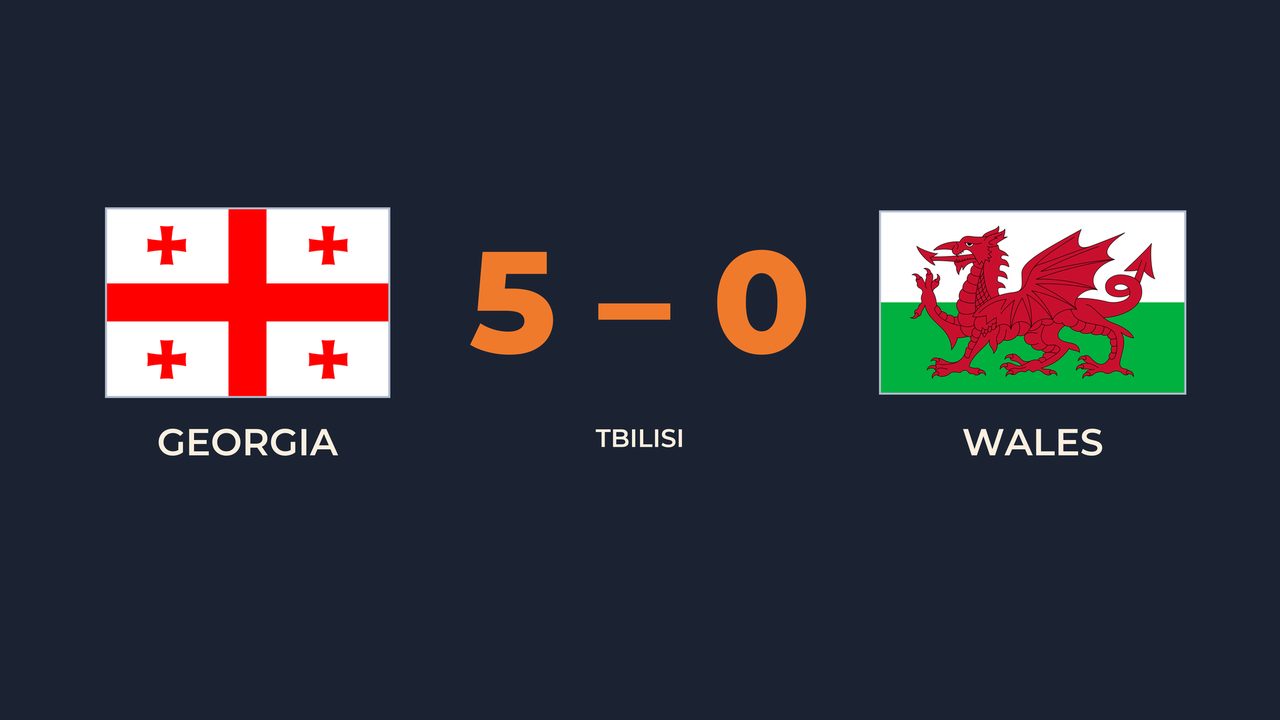
From that day on, he basically never stopped. Over the next fifteen years he became the greatest goalscorer his young country has ever produced, twenty-six goals in sixty-one games, a national record that still stands today. His first competitive goal for Georgia was a five-nil rout of Wales in Tbilisi, and years later he was still at it, hitting a hat-trick away to the Faroe Islands in a six-nil win.
His very last act in a Georgia shirt was perfectly on brand, he equalised in a two-one defeat away to Scotland, scoring for his country right to the final minute. But here is the strange part. He was never the only Arveladze chasing that dream.
Born the same day, in the same city, was his identical twin brother, Archil, also a striker, also good enough to play for Georgia. Two boys from Tbilisi, both born the twenty-second of February, nineteen-seventy-three, hunting the exact same goals. Remember Archil.
He comes back.
The Boots
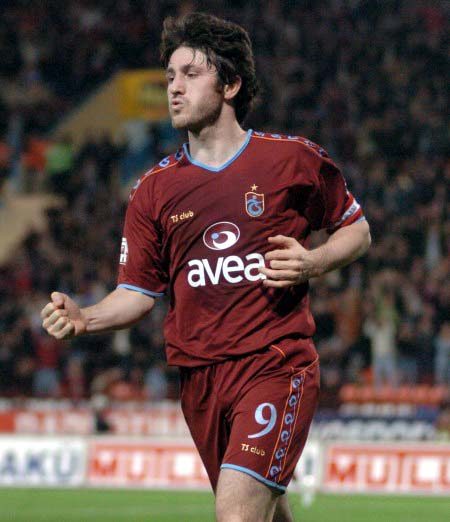
By his mid-twenties, Shota Arveladze had a habit of terrifying goalkeepers. He had already finished a season as top scorer at each of his first three clubs, and in nineteen-ninety-six he top-scored the entire Turkish top flight for the club Trabzonspor, only the second foreign player ever to lead that league in goals. Their fans still call him their most loved foreign player.
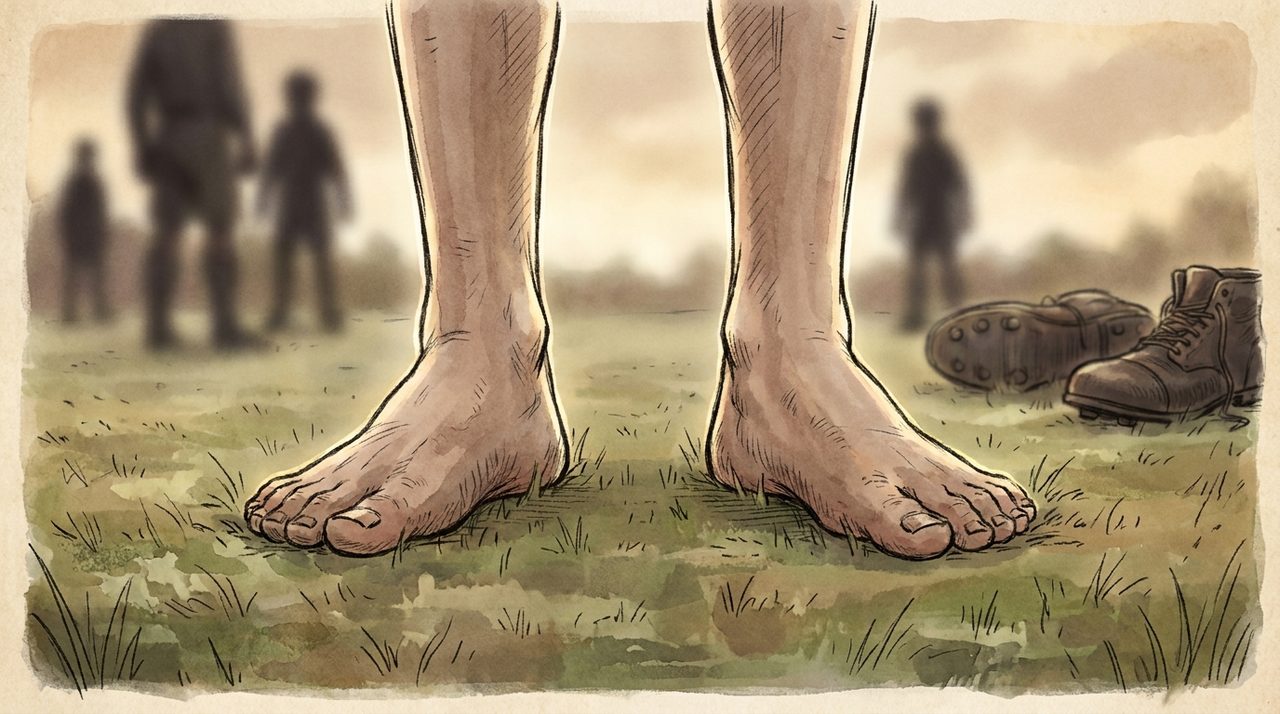
So in the summer of nineteen-ninety-seven, the Dutch giants Ajax signed him. This was the big one, the club of legends, and Shota was so nervous walking into his very first training session that he forgot his boots. A professional striker, at one of Europe's most famous clubs, showing up with nothing to put on his feet.
And then he went out and made everyone forget the boots completely. Twenty-five goals in thirty-one games in his debut season, three separate hat-tricks, and a manager, Morten Olsen, who could not stop smiling. By now the honours were stacking up too, Turkish Footballer of the Year, Georgian Footballer of the Year more than once, and a cabinet full of league titles and cups.
But the most surreal moment of that first season had nothing to do with forgotten boots. It had to do with a mirror.
The Mirror
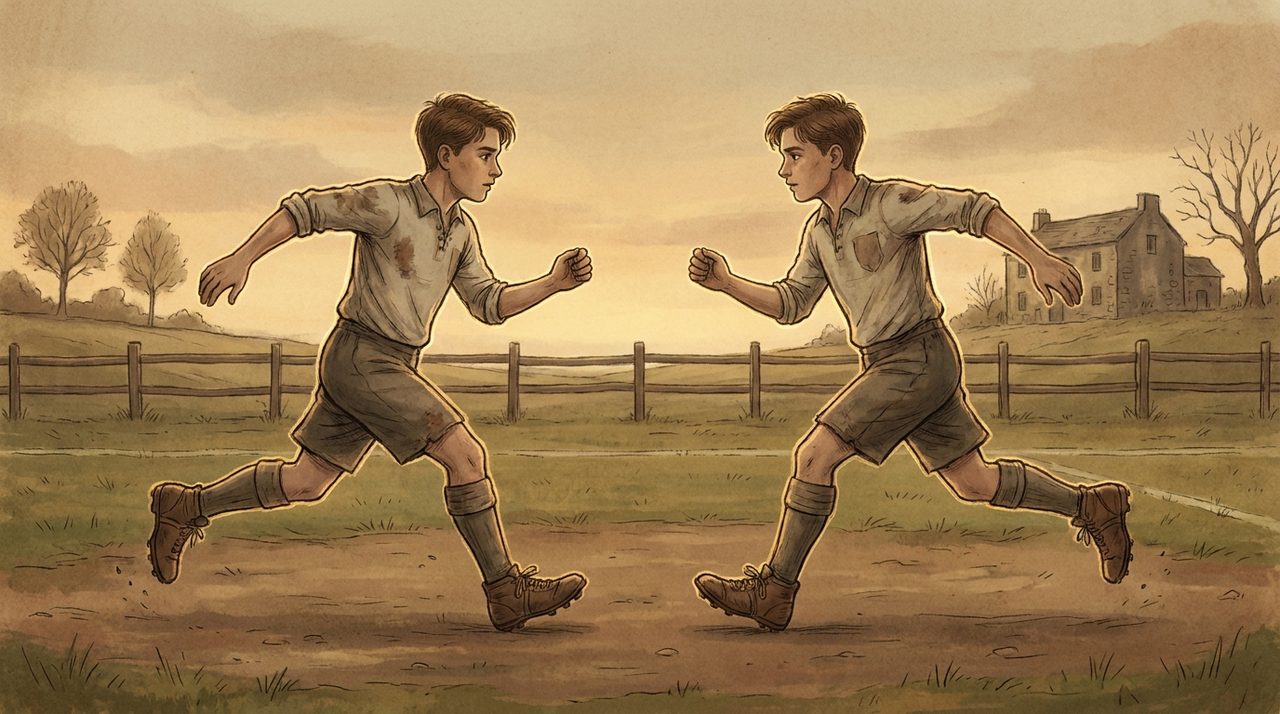
Twice that season, Shota lined up against a striker wearing the other team's shirt, a striker with his exact face. His twin brother, Archil, was now playing in the same Dutch league, for the club N.A.C. Breda.
They had kicked a ball together since before they could properly walk, dreamed the same dream, and now they were opponents, two identical faces at opposite ends of the same pitch. Archil was no passenger either, across three seasons at N.A.C. Breda he scored thirty-two goals in the Dutch top flight.
It is one thing to mark a rival. It is another to mark a man who knows every move you will make, because he learned all of them standing right next to you. Shota called it one of the most unforgettable experiences of his entire career.
And he was busy that year. In Europe, in the UEFA Cup, he scored seven goals in just eight games for Ajax, including a hat-trick against the Slovenian club Maribor. The rookie who forgot his boots was now tearing straight through the continent.

The Record
Keep scoring like that in Europe, season after season, and the numbers start to look almost fake. Across his whole career, Shota Arveladze scored twenty-seven goals in the UEFA Cup, which back then was the second-biggest club competition on the continent. That total once ranked him third in the entire history of the tournament, before it was renamed the Europa League.
Third. On a continent overflowing with strikers from Spain, Italy, and England, the man sitting in third place was a kid from Georgia, a country that had only existed on its own for a handful of years. In the seasons since, the competition changed its name, and newer goalscorers eventually climbed above him, players like the Swedish striker Henrik Larsson.
But for a long stretch, almost no one in the history of that cup had scored more than the quiet twin from Tbilisi. That is the part everyone forgets. Long before he ever gave a game away, Shota Arveladze was one of the deadliest European strikers of his entire generation.
Nickname
So naturally, one of Europe's most feared strikers moved to Scotland and became a crowd favourite for looking like a comedian. In two-thousand-one, the Glasgow club Rangers paid a reported three million pounds to sign him, though years later, in a legal case, his agent would claim the real fee had been closer to eight and a half million, and he delivered, fifty-seven goals, two league titles, and a domestic treble across four seasons. He even scored the three-hundredth goal in the history of the Scottish Premier League.
But the fans did not obsess over the goals. They obsessed over his face. They decided Shota looked exactly like the British comedian Rowan Atkinson, so one of the finest finishers in the country spent years being cheerfully called Mr.
Bean, after Atkinson's bumbling television character. A striker punishing defences all week, living rent free in the stands as a hapless man in a tweed jacket. He wore it well.
Afterwards he went back to the Netherlands with the club A.Z. Alkmaar, scored twenty-two league goals in a single season, and was handed the captain's armband. Then came a short spell in Spain, and then the final whistle.
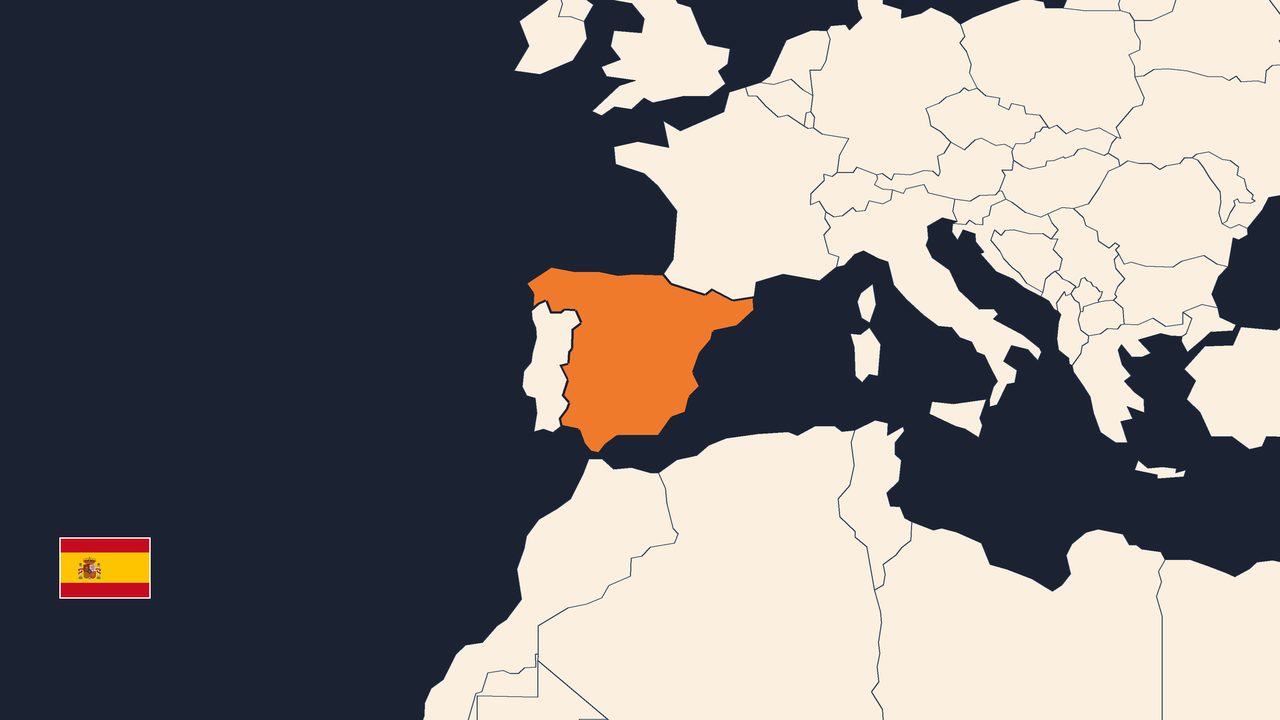
Arveladze played the very last match of his career inside Real Madrid's Santiago Bernabeu, and lost five-two. A career that began by forgetting a pair of boots ended on the grandest stage the sport has.


The Gift
Which brings us all the way back to that Friday night in Konya. Long after he stopped playing, Shota Arveladze became a manager, and in twenty-fifteen he was in charge of the Turkish club Kasimpasa, a side he had been quietly building for over two years. They were away at Konyaspor, not even twenty minutes in, when his own player, Ryan Babel, went down injured.
The opponents, Konyaspor, did the sporting thing. They stopped playing, expecting the referee to halt the game and let the medics rush on. But the whistle never came.
Kasimpasa played on, straight through a defence that had already switched off, and Ryan Donk put them one-nil up in the nineteenth minute. His side were winning, and they had won it against opponents standing still. And this is where Arveladze made his choice.
He decided that goal was not his to keep. When the game restarted, he ordered his own players to step aside, cancelling out the goal his team should never have had. Hasan Kabze calmly walked the ball into an empty net to equalise.
Then they scored again themselves, and won the match two-one. Arveladze's team had just handed away a lead, and a result, entirely on purpose. And the second it was over, he resigned.
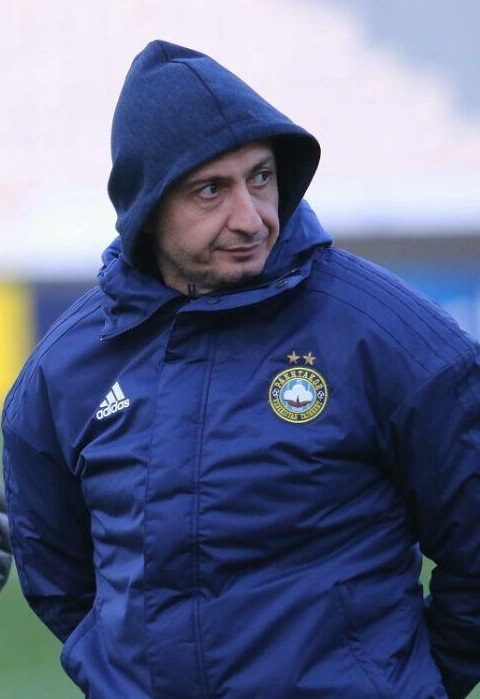
He seemed to decide that if fairness was going to cost him the game, it would cost him the job too. He did not disappear. He went on to coach across Turkey, Israel, Uzbekistan, and England, and won back-to-back league titles with the Uzbek club Pakhtakor.
But of everything he ever did, that is the night that follows him, a manager in a stadium full of opposition fans, one goal up, telling his players to lose on purpose. The greatest goalscorer Georgia ever produced, remembered best for the goal he chose to give away. Sometimes integrity is more important than winning.
FactCat, out.